
Being pregnant in Glasgow often means navigating steep hills, unpredictable weather, and the general hustle of city life, all while your body undergoes some of the most significant changes it will ever experience. As the weeks progress, the excitement of expecting a new arrival is often accompanied by a growing list of physical discomforts. From the dull ache in your lower back to the heaviness in your legs after a walk through the West End, the physical toll is real. Many women find themselves searching for ways to manage these changes without relying on medication, which is exactly why so many local mums-to-be turn to professional therapy.
If you have been considering a pregnancy massage glasgow, you are likely looking for more than just a bit of pampering. While a spa day is lovely, a clinical approach to prenatal massage focuses on the specific physiological shifts happening in your body. It is about addressing the shifting centre of gravity, the hormonal changes that loosen your ligaments, and the increased pressure on your circulatory system. It is a specialised form of care that adapts as you move through each trimester, ensuring that both you and your baby remain safe and comfortable throughout the process.
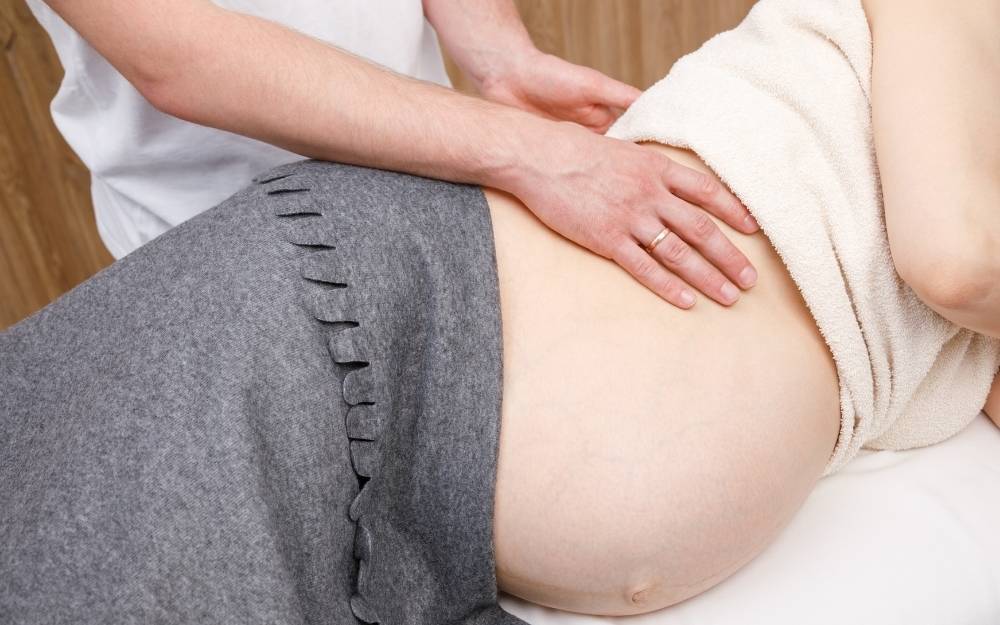
What actually happens during a prenatal session
One of the most common questions women ask before booking is how the session actually works, especially as the bump gets bigger. Unlike a traditional massage where you might lie flat on your stomach, a professional session is carefully organised to accommodate your changing shape. Most therapists utilise a side-lying position, supported by a variety of specialised pillows and bolsters. This position is not only the safest for the baby—as it avoids putting pressure on the major blood vessels—but it is also incredibly comfortable for the mother, allowing the therapist to access the back, hips, and shoulders effectively.
The techniques used are also modified. While some areas might require firm pressure to release stubborn knots, other areas, like the legs, require a much gentler, rhythmic touch to encourage lymphatic drainage. The goal is to create a bespoke experience that addresses your specific symptoms on that particular day. Some of the key focus areas usually include:
- The lumbar region and sacrum, which bear the brunt of your shifting weight.
- The hips and glutes, which often become tight as your gait changes.
- The upper back and neck, particularly as your posture adjusts to your growing chest and bump.
- The feet and ankles, which frequently hold onto excess fluid.
The physical benefits you might not have considered
Most people know that massage helps with relaxation, but the clinical benefits for pregnant women go much deeper. As your pregnancy progresses, your body produces a hormone called relaxin, which softens the ligaments in your pelvis to prepare for birth. While this is essential, it can also lead to instability and pain in the pelvic girdle and lower back. A therapist trained in pregnancy massage understands how to work with this instability, providing relief to the over-utilised muscles that are trying to compensate for the loose ligaments.
Another significant benefit is the improvement in circulation. During pregnancy, your blood volume increases by nearly fifty percent. This puts a massive strain on your heart and your veins, often leading to swelling (oedema) in the extremities. The gentle, upward strokes used in prenatal therapy help move this fluid back toward the heart, reducing that heavy, tight feeling in the calves and ankles. This is particularly helpful for those who spend a lot of time on their feet or who find that the Glasgow humidity makes their swelling worse.
Tackling the dreaded sciatica and nerve pain
Many women in their second or third trimester experience shooting pains down their legs, often referred to as sciatica. This happens when the uterus rests on the muscles of the pelvic floor and lower back, creating tension that compresses the sciatic nerve. By carefully releasing the tension in the piriformis muscle and the surrounding gluteal tissues, a therapist can often alleviate this pressure, providing immediate relief from that sharp, burning sensation. It is one of the most common reasons women seek out a specialist in the city.
Better sleep and reduced anxiety
It is no secret that getting a good night’s sleep becomes increasingly difficult as your due date approaches. Whether it is a restless mind or the inability to get comfortable, the exhaustion can be overwhelming. Studies have shown that regular massage can significantly reduce the levels of cortisol (the stress hormone) in the body while boosting serotonin and dopamine. This hormonal shift not only improves your mood but also helps regulate your sleep patterns, making it easier to drift off and stay asleep, even when you feel like you are carrying a small bowling ball.
When is the best time to start your treatments
While many women wait until they are in significant pain to book an appointment, there is a lot to be said for preventative care. Most clinics advise waiting until you have entered your second trimester before beginning regular sessions. By this stage, the initial morning sickness has usually subsided, and the risk of miscarriage is significantly lower. From week twelve onwards, massage can be a regular part of your prenatal healthcare routine.
As you move into the third trimester, you might find that you want to increase the frequency of your visits. This is when the physical load is at its peak and when the emotional anticipation of labour can start to cause tension in the shoulders and jaw. Many women find that a session every two to four weeks helps them maintain their mobility and keeps their stress levels in check as they prepare for the big day.

What to look for in a Glasgow clinic
Glasgow has no shortage of places offering beauty treatments, but when you are pregnant, you should be looking for a clinical environment with highly trained therapists. You want someone who understands the contraindications of pregnancy—someone who knows which pressure points to avoid and how to monitor your comfort throughout the session. A professional clinic will always conduct a thorough initial consultation to discuss your medical history, any complications you might be experiencing, and what your specific goals are for the treatment.
When you arrive for your appointment, you should feel entirely at ease. The environment should be calm, the room temperature should be adjustable (since many pregnant women feel warmer than usual), and the therapist should be communicative. If you are ever uncomfortable or feel lightheaded, a professional will know exactly how to adjust your position or pause the treatment to ensure your safety.
- Ensure the therapist is specifically certified in prenatal or pregnancy massage.
- Check that the clinic uses high-quality, unscented or pregnancy-safe oils.
- Look for a location that is easily accessible, as you won’t want a long, difficult walk from the car or bus stop.
- Ask if they provide the necessary pillows and supports for a side-lying position.
Taking the time to look after yourself during these nine months isn’t just a luxury; it is a vital part of preparing your body for the physical demands of birth and the even more demanding early weeks of motherhood. By addressing the aches and pains early, you can enjoy your pregnancy more fully and feel more connected to your changing body. Whether you are dealing with chronic back pain or just need an hour of quiet away from the noise of the city, a targeted approach to physical therapy can make a world of difference to your overall wellbeing.

Emily is a travel writer and cultural explorer who specialises in uncovering hidden gems, local traditions, and unique experiences in Bali. She shares insights on must-visit spots beyond the usual tourist trails.