
As the Scottish winter approaches, homeowners across the country begin to turn their attention to the reliability of their central heating systems. Given the often harsh and unpredictable climate, having a robust and efficient boiler is not merely a matter of comfort but one of necessity. Investing in new boilers Scotland can significantly transform the living environment of a home, ensuring that warmth is consistent even when the temperatures outside drop well below freezing.
Modern boiler technology has advanced rapidly over the last decade. Older units, particularly those over ten or fifteen years old, often operate at efficiencies as low as 60% or 70%. This means that for every pound spent on energy, thirty to forty pence is effectively wasted. In contrast, modern A-rated condensing boilers operate at 90% efficiency or higher. This jump in performance translates directly into lower monthly energy bills and a reduced carbon footprint, which is increasingly important as Scotland moves towards its ambitious net-zero targets.
The Primary Benefits of Upgrading Your Boiler
Deciding to replace an old unit is a significant financial commitment, but the long-term advantages often outweigh the initial outlay. When considering the transition to a modern system, homeowners should look at the following benefits:
- Significant Energy Savings: By converting more fuel into usable heat, modern units require less gas or oil to maintain the same temperature.
- Enhanced Reliability: New systems come with comprehensive manufacturer warranties, providing peace of mind against unexpected breakdowns during the coldest months.
- Quieter Operation: Modern engineering ensures that newer models run much more quietly than their clunky predecessors.
- Improved Controls: Integration with smart thermostats allows for precise scheduling and remote management via smartphone apps.
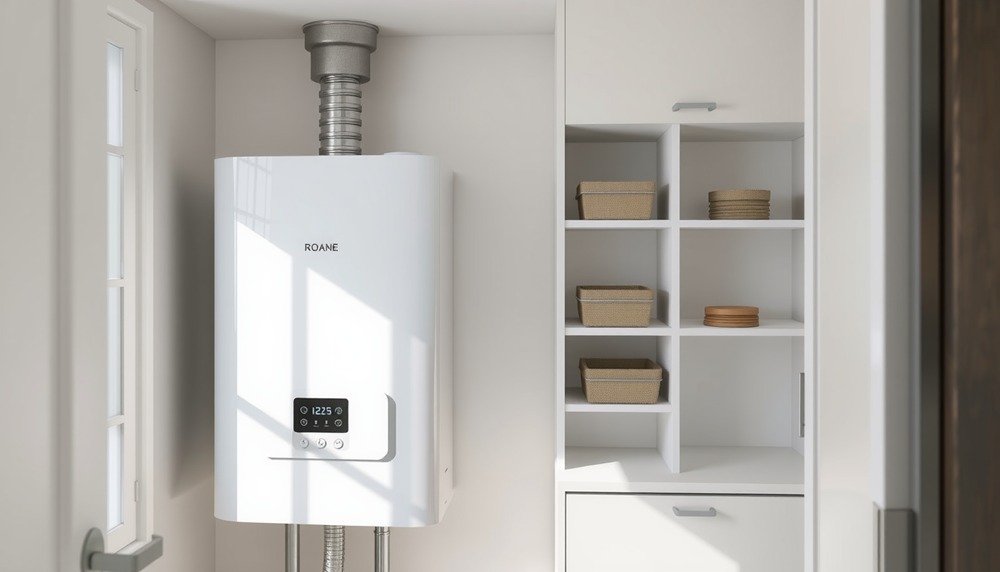
- Smaller Footprint: Many modern boilers are designed to be compact, often fitting neatly inside a standard kitchen cupboard.
Selecting the Right Type of Boiler for Scottish Homes
Choosing the right boiler depends heavily on the size of the property, the number of occupants, and the existing plumbing infrastructure. Scotland has a diverse range of housing stock, from traditional tenements in Glasgow and Edinburgh to modern detached homes in the Highlands. Each property type has unique requirements.
Combination Boilers
Commonly known as combi boilers, these are the most popular choice for smaller to medium-sized homes. They provide both heating and hot water directly from the mains without the need for a separate water tank. This makes them incredibly space-efficient. They are ideal for flats and houses with one or two bathrooms where the demand for hot water is not excessively high at any single moment.
System Boilers
For larger households with multiple bathrooms, a system boiler is often the preferred choice. These units require a cylinder to store hot water, which allows for a high volume of water to be delivered to several taps or showers simultaneously without a drop in pressure. They are particularly effective in larger Scottish villas where multiple family members might need to use the facilities at the same time.
Regular or Conventional Boilers
Often found in older properties with traditional radiator systems, regular boilers require both a hot water cylinder and a cold water storage tank, usually located in the loft. While they take up more space, they are sometimes the most cost-effective option when replacing an existing boiler of the same type, as they do not require extensive changes to the pipework.
Financial Assistance and Grants in Scotland
Recognising the need for more energy-efficient housing, there are various schemes available to help residents manage the costs of installing new boilers Scotland. The Scottish Government, through organisations like Home Energy Scotland, often provides interest-free loans or grants to eligible households. These programmes are designed to help lower-income families or those living in particularly cold regions to upgrade their heating systems.
Furthermore, the Warmer Homes Scotland programme offers assistance to homeowners and private tenants who are struggling to heat their homes. This can include the installation of a new boiler as part of a wider package of energy-saving measures. It is always advisable to check current eligibility criteria, as these schemes are frequently updated to reflect new environmental policies and budget allocations.
The Importance of Professional Installation
Once a suitable boiler has been selected, the quality of the installation is paramount. In the UK, it is a legal requirement that any gas boiler installation is carried out by a Gas Safe registered engineer. This ensures that the unit is fitted safely, complies with all building regulations, and operates at its peak efficiency. A poorly installed boiler can lead to frequent faults, reduced lifespan, and, in extreme cases, dangerous carbon monoxide leaks.
The installation process typically involves several key stages:
- Initial Survey: An engineer visits the property to assess the heating requirements and recommend the best unit.
- System Flush: Before the new boiler is connected, the existing radiators and pipes should be flushed to remove sludge and debris.
- Physical Installation: The old unit is decommissioned and removed, and the new boiler is mounted and connected.
- Testing and Commissioning: The engineer tests the system thoroughly to ensure there are no leaks and that the controls are functioning correctly.
- Handover: The homeowner is shown how to use the new controls and provided with the necessary documentation and warranty details.
Maintenance and Longevity of Your New System
To ensure that a new boiler remains efficient for its entire lifespan, which is typically between 12 and 15 years, regular maintenance is essential. Most manufacturers require an annual service to keep the warranty valid. During a service, an engineer will inspect the internal components, clean necessary parts, and check that the gas pressure and emissions are within the safe and optimal range.
In addition to professional servicing, there are simple steps homeowners can take to maintain their systems. Bleeding radiators to remove trapped air can improve heating performance, and keeping an eye on the system pressure gauge ensures that the boiler isn’t working harder than it needs to. Investing in a magnetic filter during the installation phase can also help by capturing metallic debris before it reaches the boiler, further protecting the internal heat exchanger.
Finding Local Experts Across the Country
When searching for installers, many people look for local companies that understand the specific needs of the region. Whether you are located in the bustling streets of Glasgow, the historic avenues of Edinburgh, or the coastal towns of Fife, choosing a local specialist ensures that help is never far away should you require emergency repairs or advice. Local installers are often more familiar with the water pressure issues and housing styles common to their specific area, allowing them to provide more tailored recommendations.
Modern consumers are encouraged to read reviews and ask for recommendations when selecting an installation company. High-quality service providers will be transparent about their pricing, provide detailed quotes, and offer advice on the best energy-saving practices. By choosing a reputable firm, homeowners can ensure that their transition to a more efficient heating system is smooth, professional, and provides long-lasting value for years to come.

Emily is a travel writer and cultural explorer who specialises in uncovering hidden gems, local traditions, and unique experiences in Bali. She shares insights on must-visit spots beyond the usual tourist trails.